Demos
Sections
Reading settings
No voice for this language in this browser.
More voices
Code and English terms
Off: the page’s voice reads everything, with no pause between two voices.
No voice for this language in this browser.
More voices
More voices: Microsoft Edge has natural online voices, and Windows (Settings › Time & language › Speech), macOS and Android install others.
Some courses end in something you can see. This page gathers them. The first ones run in your browser, on a computer or a phone. The others are native programs that run only on the author’s machine: they are shown here as videos and captures.
In the browser
Section titled “In the browser”Playable observatory
Section titled “Playable observatory”Play in the browser · About the observatory
A 3D scene made with Godot, from a model built in Blender and textures generated locally with ComfyUI. The web version needs a recent browser with WebGL 2, and downloads about 55 MB the first time. An RTX version, path traced with DLSS, installs on Windows with a GeForce RTX card. The Linux and macOS versions are rasterized.
three.js scenes
Section titled “three.js scenes”Four whole scenes from the three.js course:
- A guitar to play: click a string between two frets, or strum chords (lesson 5).
- A guitar in a studio: exposure, lights, bloom and a neon sign, set from a panel (lesson 7).
- Picks: throw picks at the neck, simulated with Rapier (lesson 10).
- Voicings: pick a chord and a voicing, see it on the neck and hear it (lesson 13).
Each lesson also has its own smaller demo.
Guitar Alchemist Lab
Section titled “Guitar Alchemist Lab”Two prototypes from Guitar Alchemist Lab:
- P1: Voicing space explorer: 30,000 of Guitar Alchemist’s guitar voicings as a 3D point cloud to orbit, click and hear.
- P2: Play a chord, see the universe: a chord recognizer that runs in the browser, drawn on a 3D neck.
Videos and captures
Section titled “Videos and captures”BRUTAL: the Colossus
Section titled “BRUTAL: the Colossus”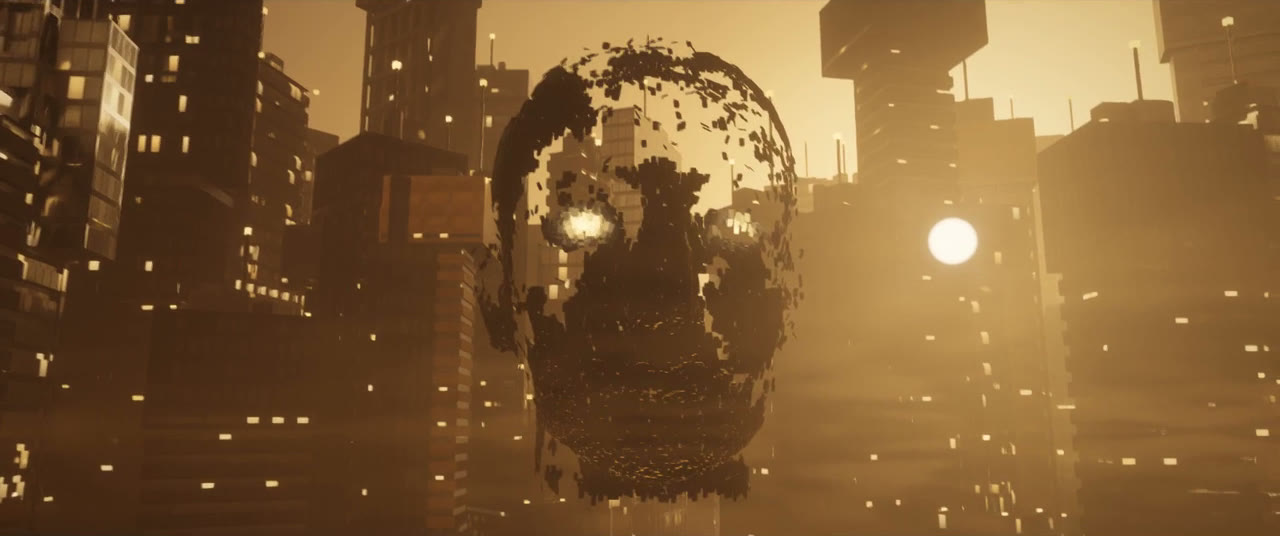
A C# and Vulkan prototype built with BRUTAL to try another engine for the observatory. Ten thousand bodies fly between brutalist towers and gather into a colossal face, path traced on a GeForce RTX with DLSS. Watch the one-minute video.
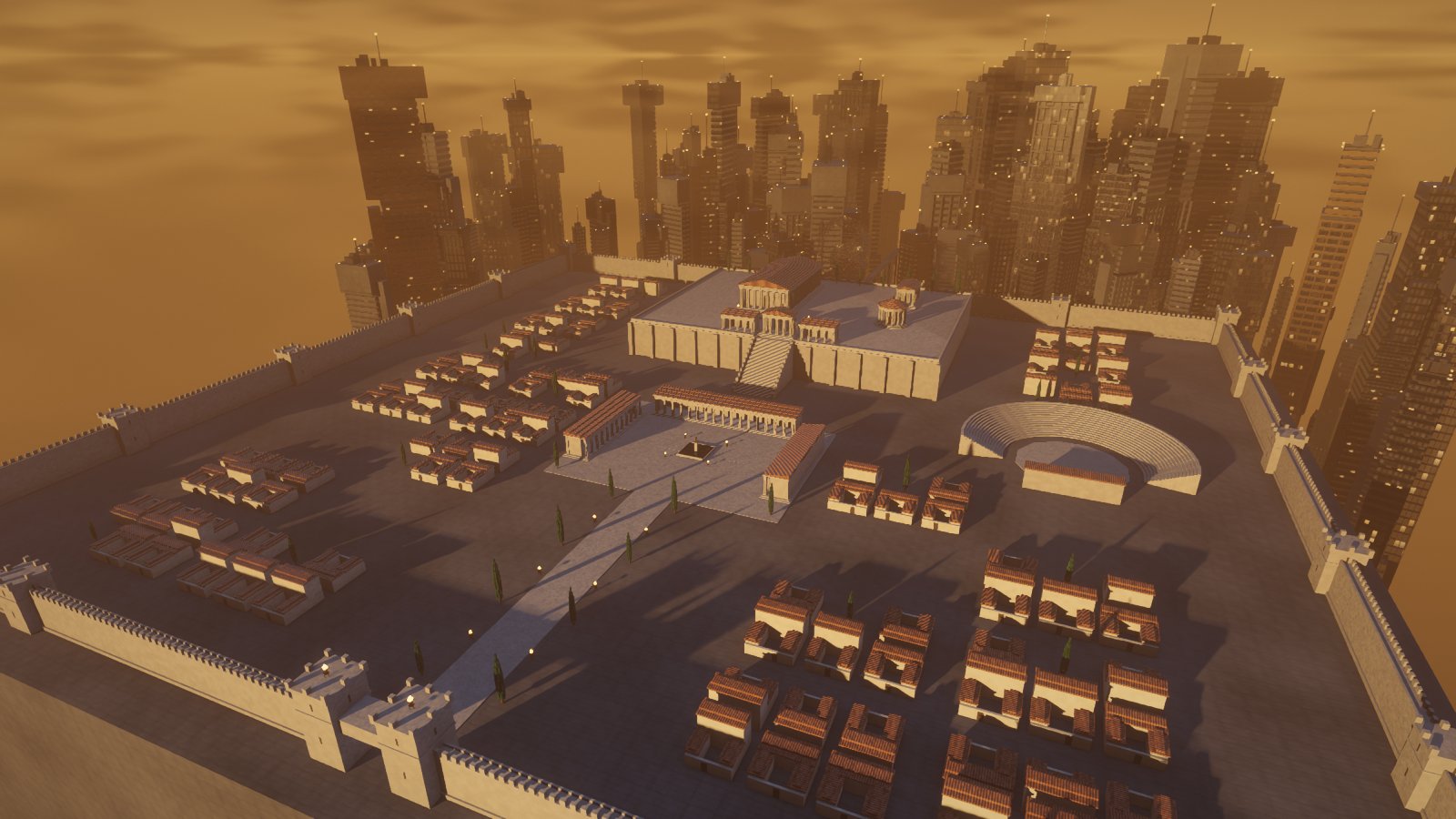
A small F# library composes scenes from typed, nested blocks. A column, then a colonnade of columns, then a temple of colonnades, and so on up to a walled city: the polis. It holds 406 block instances and 6,663 boxes, and nests five levels deep: polis, acropolis, propylon, temple, colonnade, column. Each block places the others by name and version, with its own arguments; none copies another’s logic.
The library draws nothing. It generates a scene, then validates it, and a refused scene never reaches the engine. Its tests run without an engine. The polis and the acropolis are drawn by BRUTAL with the Colossus’s RTX features: DLAA and Ray Reconstruction.
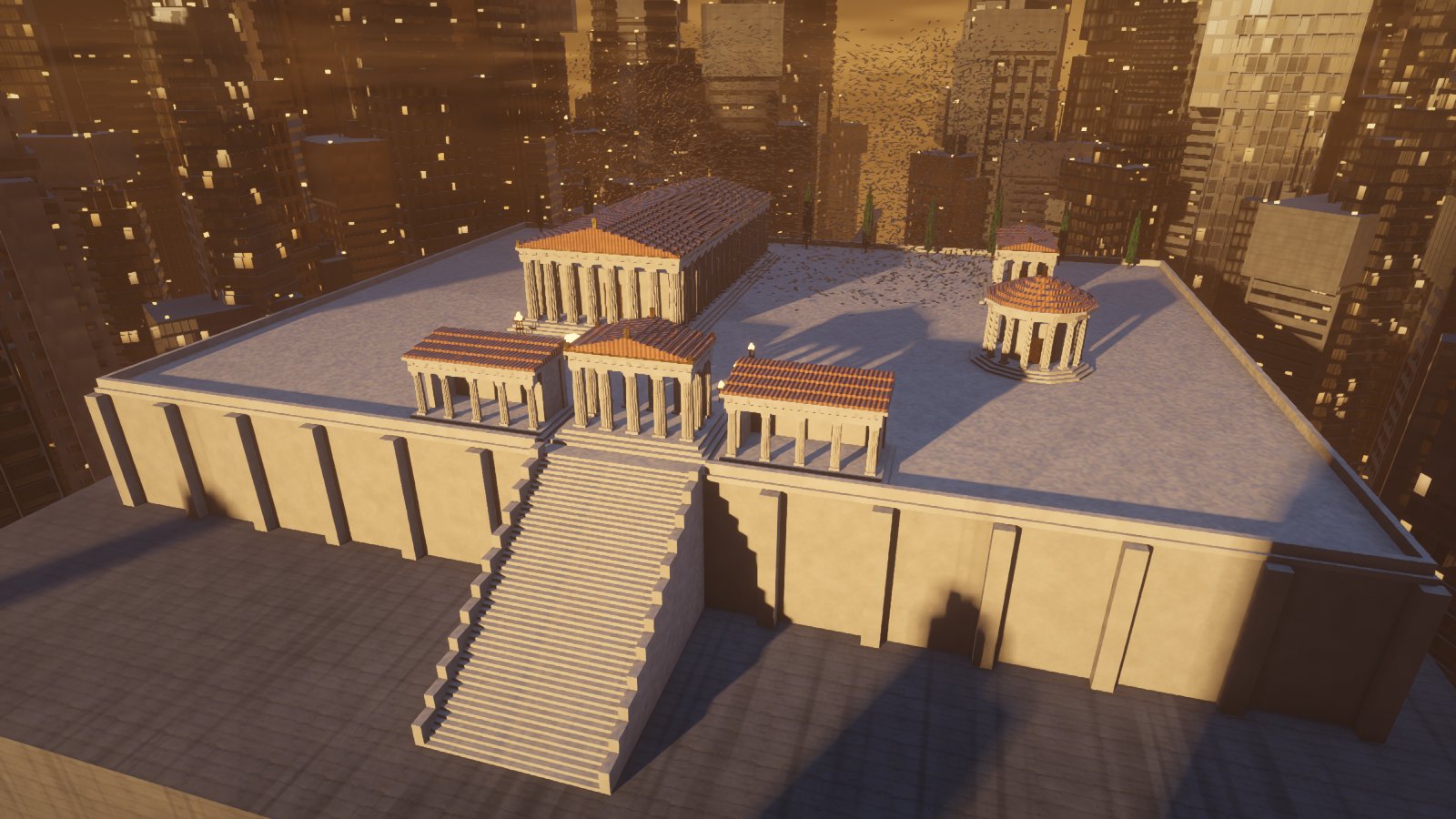
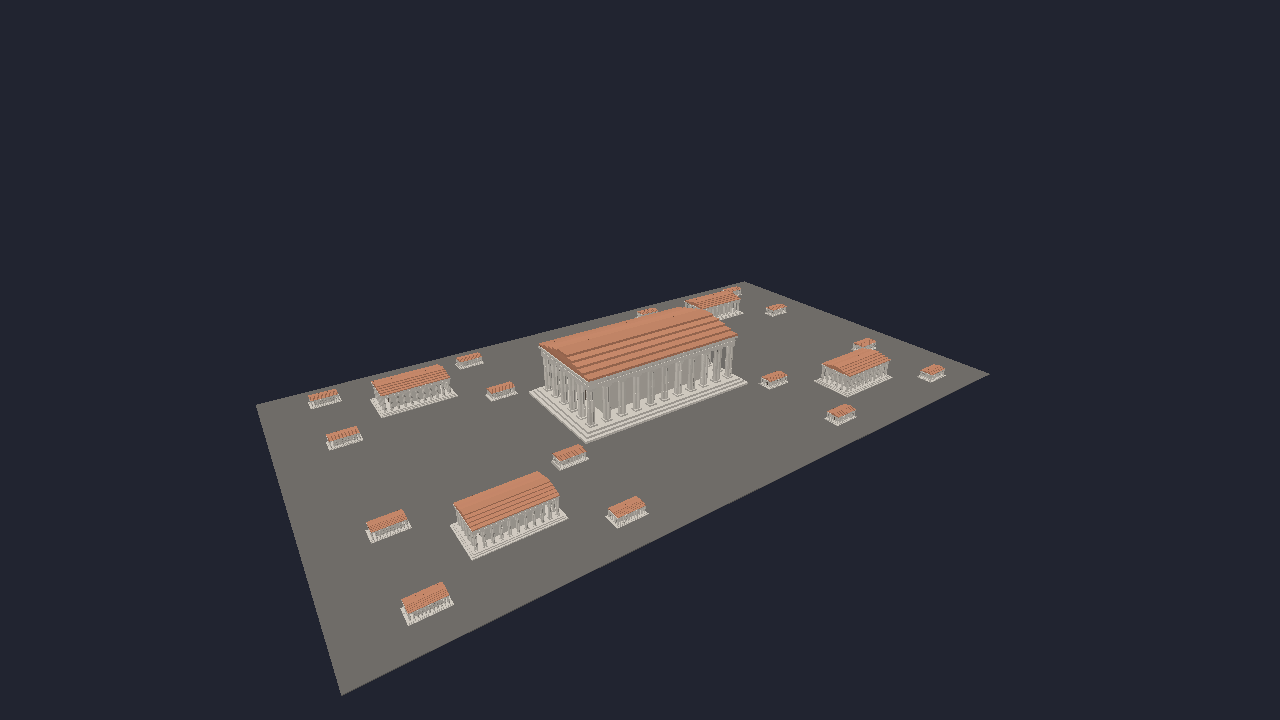
Captured on 2026-10-21. The blocks, conventions and measurements are in the BRUTAL evaluation’s notes (Guitar Alchemist pull request #840). Like the Colossus, it is a local experiment and is not distributed; the engine is BRUTAL by Ahwoo, under the BRUTAL License v1.0.
The Artifacts page lists interactive pages hosted on claude.ai, such as the Atlas des Douze and a microphone placement bench.